
1031 Exchanges: A Powerful Tool for Real Estate Investors
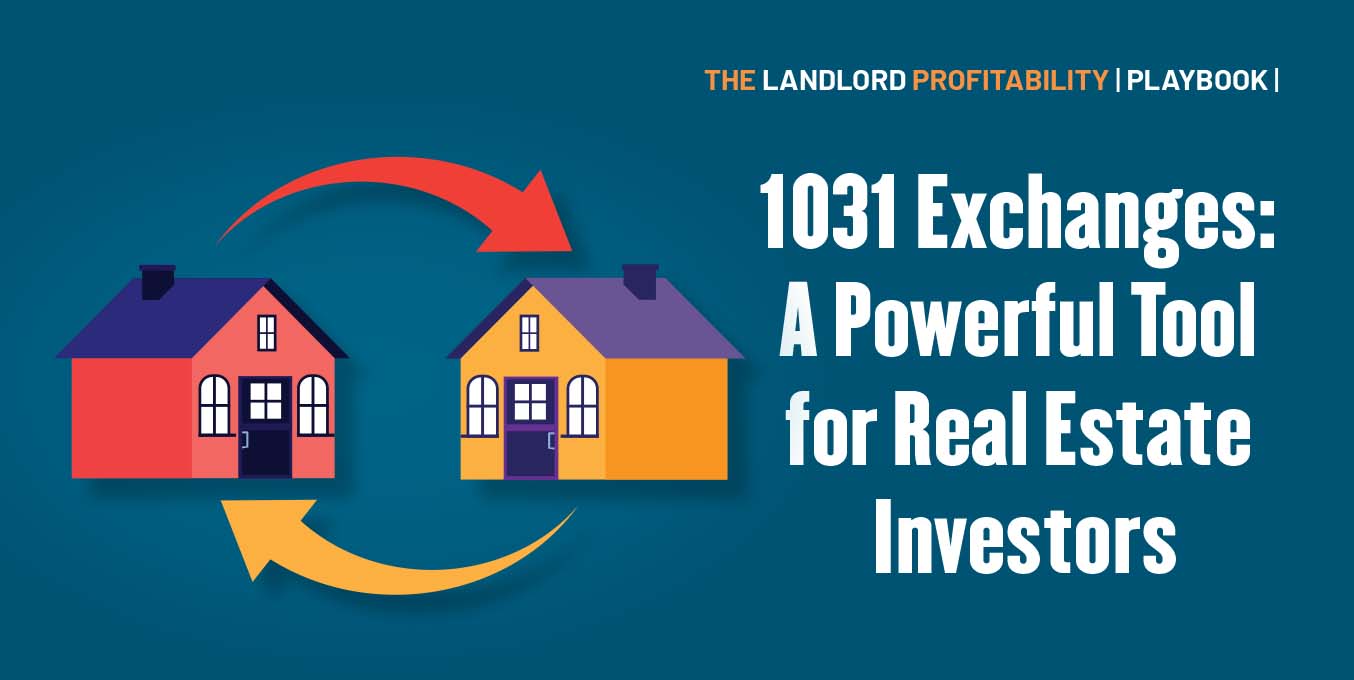
Real estate investors looking to grow their portfolios and defer capital gains taxes should familiarize themselves with the 1031 exchange. Named after Section 1031 of the Internal Revenue Code, this strategy allows investors to sell a property and reinvest the proceeds into a like-kind property—deferring capital gains taxes and maximizing investment potential.
What is a 1031 Exchange?
A 1031 exchange is a tax-deferral strategy that enables investors to sell an investment property and reinvest the proceeds into another like-kind property while postponing capital gains taxes. The IRS defines “like-kind” broadly, meaning most real estate held for investment purposes qualifies.
Key Benefits of a 1031 Exchange
- Tax Deferral – The most significant advantage is the ability to defer capital gains taxes, allowing investors to reinvest their full proceeds into another property.
- Portfolio Growth – By rolling gains into larger or more lucrative investments, investors can compound their wealth over time.
- Diversification – Investors can exchange into different types of investment properties, such as moving from residential rentals to commercial real estate or from one geographic market to another.
- Estate Planning – When structured properly, 1031 exchanges allow heirs to inherit properties at a stepped-up cost basis, potentially eliminating capital gains taxes entirely.
1031 Exchange Rules & Requirements
To successfully execute a 1031 exchange, investors must adhere to the following guidelines:
- Like-Kind Property Requirement – Both the relinquished and replacement properties must be used for investment or business purposes.
- 45-Day Identification Period – Investors have 45 days from the sale of their property to identify potential replacement properties.
- 180-Day Exchange Period – The replacement property must be acquired within 180 days of the original sale.
- Use of a Qualified Intermediary (QI) – The IRS requires a neutral third party to facilitate the exchange and hold the proceeds from the sale until the replacement property is acquired.
- Equal or Greater Value – To fully defer taxes, the replacement property must be of equal or greater value than the relinquished property, and all proceeds must be reinvested.
Types of 1031 Exchanges
Investors can take advantage of different types of 1031 exchanges, depending on their needs and timing:
- Simultaneous Exchange – The sale and purchase occur on the same day.
- Delayed Exchange – The most common type, allowing investors up to 180 days to acquire the replacement property.
- Reverse Exchange – Investors acquire the replacement property before selling their current property.
- Improvement Exchange – Investors can use a 1031 exchange to acquire and improve a replacement property with exchange funds.
1031 Exchange Pitfalls to Avoid
While a 1031 exchange is a powerful strategy, investors should be aware of potential pitfalls:
- Missing deadlines – Failing to meet the 45-day identification or 180-day completion deadlines can disqualify the exchange.
- Improper use of funds – Any proceeds taken as cash or used outside the exchange structure are subject to taxation.
- Non-qualifying property – Primary residences and properties not held for investment do not qualify.
ROOST Can Help
At ROOST Real Estate Co., we specialize in helping investors navigate 1031 exchanges. Whether you’re looking to sell an existing investment or find a suitable replacement property, our team can guide you through the process to ensure compliance and maximize your returns.
Disclaimer: ROOST Real Estate Co. is not a law firm or an accounting firm. We are not licensed attorneys or accountants, and we do not provide legal or tax advice. Investors should consult with a qualified attorney or tax professional to ensure compliance with all applicable laws and regulations. We are happy to refer you to professionals with expertise in 1031 exchanges.
Ready to leverage a 1031 exchange for your next investment? Contact ROOST Real Estate Co. today to explore your options and grow your portfolio tax-efficiently.
Invest with Confidence—Invest with ROOST
At ROOST Real Estate Co., we know that profitability is the ultimate goal. That’s why we work so hard to ensure your properties are maintained to the neighborhood standard, marketed well, and rented to the right tenants.
PLUS… Whenever you’re ready, here are three ways we can help you automate your rent collection and get on with your life:
- Learn practical ways to free up your time and increase your profits. Listen to The Landlord Profitability Playbook Podcast at www.LandlordProfitabilityPlaybookPodcast.com
- Get a FREE Market Rate Rent Analysis for your properties. Sometimes a second opinion can make a big difference in your business. www.MarketRateRent.com
- Get a Personalized Property Management Quote and free property management consultation with Gretchen Mitchell at www.PMServicesQuote.com.